Unlocking the Secrets of Mood Stones: A Guide to Understanding Their Power
Mood stones have captivated human imagination for centuries, serving as mysterious talismans that claim to reflect our emotional states through color changes. Whether you're a crystal enthusiast, a spiritual seeker, or simply curious about these fascinating gemstones, understanding mood stones can open up a world of wonder and self-discovery. In this comprehensive guide, we'll explore everything you need to know about mood stones, from their historical origins to their modern applications, scientific explanations, and practical uses in daily life.
The History and Origins of Mood Stones
The concept of mood stones isn't entirely new, though their modern popularity surged in the 1970s. The history of these color-changing gems is intertwined with human fascination with gemstones and their supposed mystical properties. Ancient civilizations believed that certain stones possessed healing and emotional properties, attributing supernatural powers to their natural beauty and rarity.
Ancient Beliefs and Gemstone Lore
Throughout history, various cultures have assigned emotional and spiritual significance to gemstones. The ancient Egyptians, Greeks, and Romans all incorporated gemstones into their spiritual practices and daily lives. They believed that certain stones could influence mood, protect the wearer, and provide insight into emotional states. While these ancient beliefs weren't specifically about mood stones as we know them today, they laid the foundation for the modern understanding of gemstones' emotional connections.
The concept of color-changing stones has roots in ancient mineralogy. Alexandrite, a rare variety of chrysoberyl, was discovered in Russia in the 1830s and became famous for its color-changing properties. This natural phenomenon fascinated scientists and gem enthusiasts alike, demonstrating that stones could indeed change color under different lighting conditions. This discovery would eventually inspire the creation of modern mood stones.
The Modern Mood Stone Movement
The contemporary mood stone phenomenon began in earnest during the 1970s, a decade characterized by a resurgence in interest in alternative spirituality, holistic wellness, and New Age philosophies. During this era, mood stones became popular as novelty items and spiritual tools. They were marketed as indicators of emotional states, with color charts suggesting what each hue represented in terms of feelings and moods.
The 1970s and 1980s saw mood stones become mainstream consumer products. They were sold in jewelry stores, spiritual shops, and even mainstream retailers. Young people, in particular, embraced mood stones as fashionable accessories that also served a spiritual purpose. The combination of aesthetic appeal and the promise of emotional insight made them irresistible to many consumers.
Understanding the Science Behind Mood Stones
To truly unlock the secrets of mood stones, we must examine the science behind their color-changing properties. While the spiritual and emotional aspects of mood stones are important to many people, understanding the scientific mechanism helps us appreciate these stones on multiple levels.
The Thermochromic Properties
Most modern mood stones are not actually natural gemstones but rather synthetic creations utilizing thermochromic technology. Thermochromism is the property of substances to change color in response to temperature variations. This is the fundamental science that makes mood stones work.
The color-changing mechanism in mood stones typically involves liquid crystals or thermochromic pigments encapsulated within a protective layer. These materials are sensitive to temperature fluctuations and respond by changing their molecular structure, which alters how they absorb and reflect light. When the stone is warm, it displays one color, and as it cools, it transitions to another color.
How Temperature Affects Mood Stones
The connection between body temperature and mood stones is straightforward. When you wear a mood stone on your skin, your body heat warms the stone. If you're calm and relaxed, your body temperature remains relatively stable, and the stone displays a consistent color. When you're anxious, stressed, or excited, your body temperature may fluctuate slightly, causing the mood stone to change colors.
However, it's important to note that body temperature changes are subtle and influenced by many factors beyond emotional state. Physical activity, environmental temperature, caffeine consumption, and even the time of day can affect your body temperature. This is why mood stones shouldn't be relied upon as accurate indicators of emotional states from a purely scientific perspective.
The Role of Liquid Crystals
Liquid crystals are the key component in most mood stones. These materials exist in a state between solid and liquid, possessing properties of both. They're highly sensitive to temperature changes and respond by altering their molecular alignment, which changes how they interact with light.
When liquid crystals are at lower temperatures, they typically appear dark blue or black because they absorb most light wavelengths. As temperature increases, the molecular structure changes, and the crystals begin to reflect different wavelengths of light, displaying colors like green, yellow, orange, and eventually red or pink at higher temperatures.
This thermochromic property is the same technology used in many other applications, including thermometers, mood rings, and even some clothing and cosmetics. Understanding this science helps us appreciate mood stones as fascinating examples of applied chemistry and physics.
Types of Mood Stones and Their Characteristics
Mood stones come in various forms, each with unique characteristics and applications. Understanding the different types can help you choose the right mood stone for your needs and preferences.
Mood Rings
Mood rings are perhaps the most iconic form of mood stones. These rings typically feature a stone or crystal set in a metal band, often made of silver, gold, or other metals. The stone is usually a synthetic creation containing liquid crystals or thermochromic pigments. Mood rings became particularly popular in the 1970s and have experienced periodic revivals in popularity since then.
The advantage of mood rings is their wearability and constant contact with your skin, which allows for more accurate temperature readings. They're also fashionable and can serve as conversation starters. Many people enjoy wearing mood rings as both spiritual tools and fashion accessories.
Mood Stones and Crystals
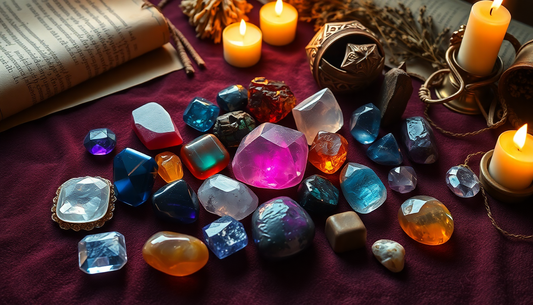
Beyond rings, mood stones are available as loose stones, polished crystals, and decorative pieces. These can be carried in pockets, placed on altars, or displayed in homes. Some people prefer working with loose mood stones for meditation or energy work, while others enjoy them simply for their aesthetic beauty.
Mood stone crystals often come in various shapes, including raw, polished, tumbled, and carved forms. Each form offers different aesthetic and practical benefits. Raw mood stones maintain their natural appearance, while polished and tumbled versions are smoother and more refined.
Mood Stone Jewelry
Beyond rings, mood stones are incorporated into various jewelry pieces, including necklaces, bracelets, earrings, and pendants. Each type of jewelry offers different advantages. Necklaces keep the stone close to your heart, bracelets allow for easy viewing of color changes, and earrings provide a subtle way to carry mood stone energy.
The choice of jewelry type often depends on personal preference and how you want to interact with the mood stone. Some people prefer the constant contact of a ring or bracelet, while others enjoy the spiritual significance of wearing a mood stone pendant near their heart.
The Color Meanings and Interpretations
One of the most fascinating aspects of mood stones is the color chart that accompanies them. Each color is believed to represent different emotional states and moods. Understanding these color meanings can help you interpret what your mood stone might be telling you about your emotional state.
Black and Dark Colors
Black or very dark colors in a mood stone typically indicate stress, tension, or negative emotions. When your mood stone displays black, it's often interpreted as a sign that you're experiencing anxiety, anger, or sadness. This color is associated with emotional heaviness and the need for grounding and emotional processing.
If your mood stone frequently displays black, it might be a signal to take time for self-care, meditation, or seeking support from others. Many people use this as a reminder to check in with their emotional state and address any underlying issues.
Blue Colors
Blue is often associated with calmness, peace, and tranquility. When your mood stone displays blue, it suggests that you're in a relaxed state, feeling peaceful, or experiencing emotional stability. Light blue typically indicates a calm, serene state, while darker blue might suggest a more contemplative or introspective mood.
Blue is considered one of the most positive colors in mood stone interpretation, representing emotional balance and inner peace. Many people strive to keep their mood stones in the blue range as an indicator of emotional wellness.
Green Colors
Green is associated with balance, harmony, and emotional equilibrium. When your mood stone displays green, it suggests that you're in a balanced emotional state, neither overly stressed nor overly excited. Green represents growth, renewal, and emotional healing.
This color is often considered ideal for daily functioning, as it indicates a state of emotional stability that allows for productivity and positive interactions with others. Many people view green as the "normal" or baseline mood stone color.
Yellow and Amber Colors
Yellow and amber colors indicate happiness, optimism, and positive emotions. When your mood stone displays these warm colors, it suggests that you're feeling cheerful, energized, and emotionally uplifted. Yellow is associated with joy, creativity, and mental clarity.
These colors are generally considered positive indicators of emotional well-being. If your mood stone frequently displays yellow or amber, it suggests that you're in a good emotional place and experiencing happiness and contentment.
Orange Colors
Orange represents enthusiasm, excitement, and emotional energy. When your mood stone displays orange, it indicates that you're feeling passionate, motivated, and emotionally engaged. This color suggests a state of heightened emotional activity and positive energy.
Orange is associated with creativity, confidence, and social engagement. Many people enjoy when their mood stones display orange, as it indicates a state of emotional vitality and enthusiasm.
Red and Pink Colors
Red and pink colors indicate strong emotions, passion, and heightened emotional intensity. When your mood stone displays red, it might suggest excitement, passion, or even anger and frustration, depending on the context. Pink often represents love, affection, and emotional warmth.
These colors indicate elevated body temperature and emotional intensity. Whether this is positive or negative depends on the specific emotion you're experiencing. Red can represent passionate love or intense anger, so context is important when interpreting these colors.
The Spiritual and Metaphysical Perspective
While the science behind mood stones is fascinating, many people are drawn to them for their spiritual and metaphysical properties. From a spiritual perspective, mood stones are believed to serve as tools for self-awareness, emotional healing, and spiritual growth.
Mood Stones as Emotional Mirrors
In spiritual practice, mood stones are often viewed as mirrors of the soul, reflecting our inner emotional states back to us. This reflective quality can serve as a powerful tool for self-awareness and personal growth. By observing the colors your mood stone displays, you can gain insight into your emotional patterns and triggers.
This practice of using mood stones for self-reflection can be incredibly valuable, regardless of whether the color changes are scientifically accurate indicators of mood. The act of pausing to observe your mood stone and consider your emotional state can itself be a form of mindfulness and emotional awareness.
Energy Work and Chakra Alignment
In many spiritual traditions, mood stones are associated with chakra work and energy healing. Different colors are believed to correspond to different chakras, and mood stones can be used to balance and align these energy centers. For example, blue mood stones might be associated with the throat chakra, while green stones correspond to the heart chakra.
Practitioners of energy work often use mood stones as tools for meditation, chakra balancing, and energy cleansing. Whether or not one believes in the literal existence of chakras and energy meridians, the practice of using mood stones for meditation and intention-setting can be psychologically beneficial.
Intention Setting and Manifestation
Many people use mood stones as tools for intention setting and manifestation. By holding a mood stone while focusing on a specific intention or goal, practitioners believe they can amplify their manifestation efforts. The color changes of the mood stone can serve as feedback on whether your emotional state is aligned with your intentions.
This practice combines elements of psychology, mindfulness, and spiritual belief. Even from a purely psychological perspective, using mood stones for intention setting can be beneficial, as it encourages focused attention and emotional alignment with your goals.
Practical Uses of Mood Stones in Daily Life
Beyond their spiritual significance, mood stones have practical applications in daily life. Understanding how to incorporate mood stones into your routine can enhance their benefits and deepen your connection with these fascinating tools.
Meditation and Mindfulness Practices
Mood stones can be powerful aids in meditation and mindfulness practices. Holding a mood stone while meditating can help anchor your attention and deepen your practice. The tactile sensation of the stone in your hand, combined with observing its color changes, can enhance your meditative experience.
Many people find that meditating with mood stones helps them achieve deeper states of relaxation and awareness. The stone serves as a focal point for attention, similar to how a mantra or breath work functions in other meditation traditions.
Stress Management and Emotional Regulation
Using mood stones as tools for stress management can be highly effective. When you notice your mood stone displaying dark colors, it can serve as a signal to pause and engage in stress-reduction techniques such as deep breathing, progressive muscle relaxation, or grounding exercises.
This practice of using mood stones as emotional feedback tools can help you develop greater awareness of your stress levels and respond more effectively to stress before it becomes overwhelming. The physical act of holding and observing your mood stone can itself be calming and grounding.
Personal Growth and Self-Awareness
Mood stones can serve as valuable tools for personal growth and self-awareness. By tracking the colors your mood stone displays throughout the day or week, you can identify patterns in your emotional states and triggers. This awareness can help you make positive changes in your life and develop greater emotional intelligence.
Keeping a mood stone journal, where you record the colors your stone displays and your corresponding emotional states, can provide valuable insights into your emotional patterns and help you identify areas for personal growth.
Sleep and Relaxation
Many people keep mood stones on their nightstands or under their pillows to promote relaxation and better sleep. The calming colors associated with relaxation, such as blue and green, can help create a peaceful sleep environment. Some people find that holding a mood stone before bed helps them transition into a relaxed state conducive to sleep.
The ritual of using a mood stone as part of a bedtime routine can signal to your body and mind that it's time to relax and prepare for sleep. This ritualistic aspect can be as beneficial as any direct properties of the stone itself.
Choosing and Caring for Your Mood Stones
If you're interested in incorporating mood stones into your life, it's important to know how to choose and care for them properly. This ensures that your mood stones remain beautiful and functional for years to come.
Selecting the Right Mood Stone
When choosing a mood stone, consider several factors. First, think about the form you prefer: a ring, necklace, bracelet, or loose stone. Consider your lifestyle and how you'll interact with the stone. If you want constant contact with your skin for accurate temperature readings, a ring or bracelet might be ideal. If you prefer a more subtle approach, a pendant or loose stone might be better.
Also consider the aesthetic appeal of the stone. You'll be wearing or carrying this item regularly, so choose something that resonates with you visually and energetically. Trust your intuition when selecting a mood stone, as you may be drawn to the one that's right for you.
Cleansing Your Mood Stones
Regular cleansing of your mood stones is important for maintaining their energy and function. There are several methods for cleansing mood stones, including:
Running your stone under cool water while setting an intention to cleanse it of negative energy. This is a simple and effective method that works well for most mood stones.
Placing your stone in moonlight overnight, particularly during a full moon. Many people believe that moonlight has powerful cleansing and charging properties.
Smudging your stone with sage or other cleansing herbs. This traditional practice is believed to clear negative energy from the stone.
Burying your stone in the earth for a period of time. This grounding method is believed to help reset the stone's energy.
Charging Your Mood Stones
Beyond cleansing, many people believe in charging their mood stones with positive energy and intention. Methods for charging include:
Placing your stone in sunlight for a few hours. Sunlight is believed to energize and revitalize stones.
Meditating with your stone while focusing on positive intentions and energy.
Placing your stone on a selenite charging plate or near other high-vibration crystals.
Using visualization techniques to imagine positive energy flowing into your stone.
Storage and Protection
Proper storage of your mood stones helps preserve their beauty and function. Store your stones in a safe place where they won't be damaged or lost. If you have multiple stones, consider storing them separately to prevent them from scratching each other.
Protect your mood stones from extreme temperature fluctuations, as this can affect their color-changing properties. Avoid exposing them to direct heat sources or extreme cold for extended periods. Keep them away from harsh chemicals and cleaning products that might damage the stone or its setting.
The Psychology Behind Mood Stones
Beyond the physical science and spiritual aspects, there's a fascinating psychological dimension to mood stones that explains why so many people find them valuable and meaningful.
The Placebo Effect and Positive Psychology
The power of mood stones is partly rooted in the placebo effect and positive psychology. When you believe that a mood stone can help you understand and manage your emotions, this belief itself can create positive psychological effects. The act of observing your mood stone and reflecting on your emotional state can enhance emotional awareness and self-regulation.
This doesn't diminish the value of mood stones; rather, it highlights how our beliefs and expectations can influence our well-being. The psychological benefits of using mood stones are real and valuable, even if they're not based